


Kentucky Velvet Buck Scouting: Use This Late-July Window Before the Heat Returns
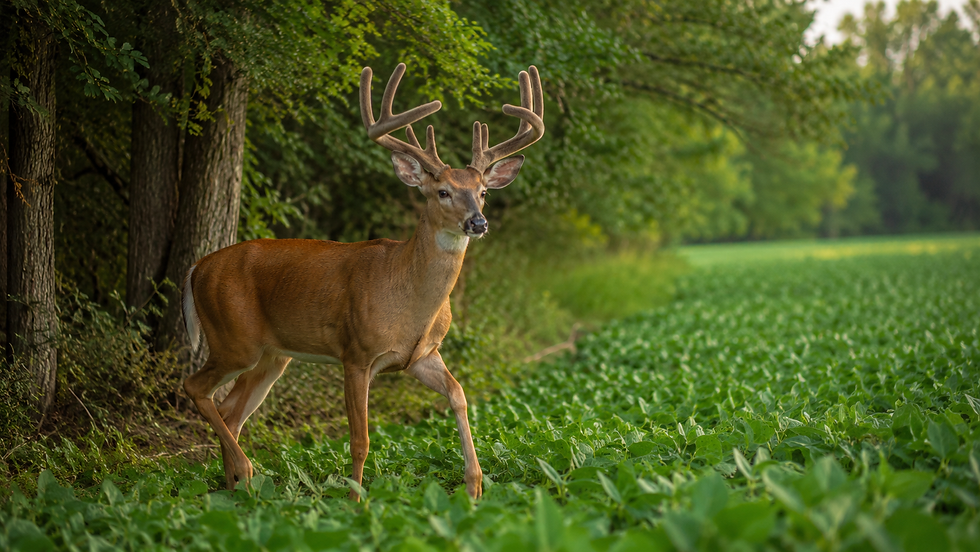
A velvet buck stepping from a shaded creek bottom into soybeans can make September feel close.
Then you check the camera again. The buck appeared once, three weeks ago, at 1:12 in the morning.
That is not a pattern. It is only a picture.
Late July is when Kentucky deer hunters should begin separating useful information from summer excitement. Today’s comparatively comfortable temperatures across much of the state offer a good opportunity to handle necessary scouting before hotter, more humid weather builds early next week. Kentucky’s 2026 archery season opens September 5.
Look for Repeatability, Not Just Antlers
Velvet makes every buck look impressive, but antler size should not be the first thing you study.
Look for three details:
Timing: Is the buck arriving during daylight or well after dark?
Direction: Is he entering from bedding cover or wandering along the field?
Frequency: Has he used the same route more than once?
A buck appearing repeatedly at the same fence gap, creek crossing, or shaded field corner is giving you something useful. One picture from the middle of a bean field tells you much less.
White-tailed deer tend to reuse familiar feeding areas and travel routes, especially when food and cover remain dependable. Agricultural crops can also make up a substantial portion of their summer diet in farm country.
Keep Your Best Cover Quiet
The temptation is to move a camera closer every time a good buck appears.
Usually, that is the wrong move in July.
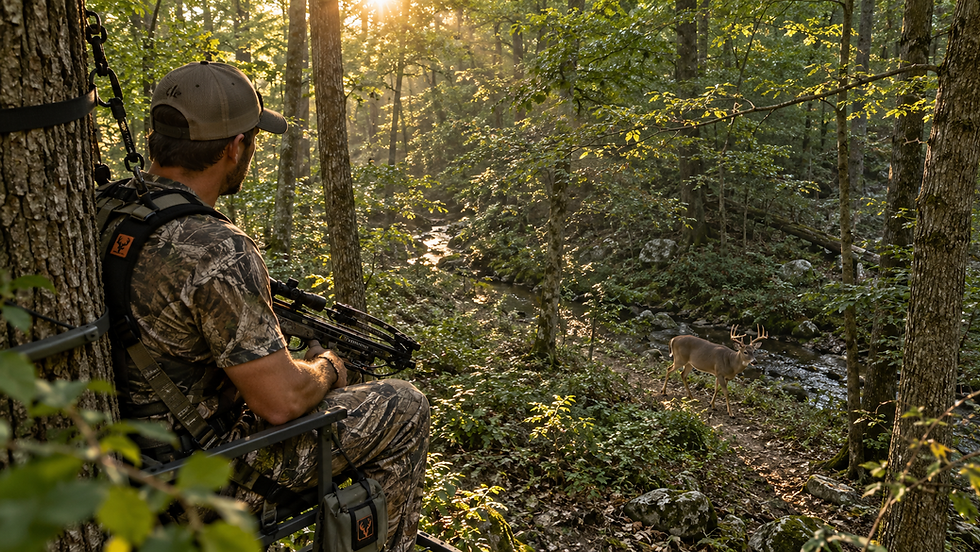
On small properties and permission farms, keep cameras near field entrances, old logging roads, fence gaps, or trails that can be reached without crossing bedding cover. On Kentucky public land, use terrain and distant observation first. A shaded bench above a creek bottom may look promising, but walking through it repeatedly can educate deer before the season begins.
Check cameras when your access is favorable, finish the job quickly, and leave the center of the property alone.
Kentucky Fish and Wildlife notes that long-term camera data is more useful for evaluating trends than isolated observations. Habitat, crop rotation, feeders, and the time of year can all affect what appears during a survey.
Why Deer Are Acting This Way
In late July, bucks are still carrying velvet and often tolerate one another around dependable summer food. Their routines can appear predictable because their immediate needs are simple: quality forage, security cover, water, and relief from daytime heat.
Those patterns are valuable, but they are temporary.
Changing crops, hardening antlers, increasing human activity, and the first falling acorns can shift deer away from the places where you watched them all summer. Build an inventory now, but do not assume every July buck will remain on the same September schedule.
Kentucky Insight
In a lot of Kentucky farm country, the most useful camera is not watching the middle of the beans. It is watching the shaded route a buck uses before he reaches them.
The Takeaway
Use this late-July window to confirm travel routes, trim only what is necessary, and identify which bucks are truly repeating. Then back out.
September success often begins with knowing when you have enough information, and having the discipline to stop looking.
Check back with Bluegrass Whitetail as Kentucky deer movement begins shifting toward the opening of archery season.
Safety Reminder
Carry water, watch for ticks and snakes, and avoid working alone in remote creek bottoms or steep hollers during summer scouting.
Sources
Kentucky Department of Fish and Wildlife Resources — Deer Hunting:
KDFWR — Kentucky Hunting and Fishing Seasons Planner:
https://fw.ky.gov/Hunt/Pages/ky-hunting-fishing-seasons-planner.aspx
KDFWR — Current Hunting and Trapping Guides:
KDFWR — Ways to Evaluate Your Deer Population:
https://fw.ky.gov/Wildlife/Documents/Ways%20to%20evaluate%20your%20deer%20population.pdf


Comments